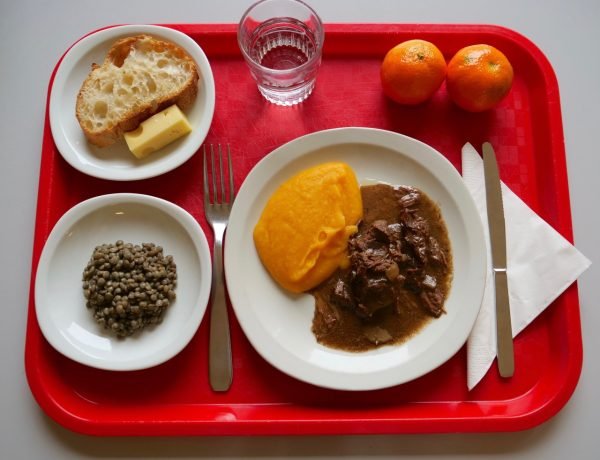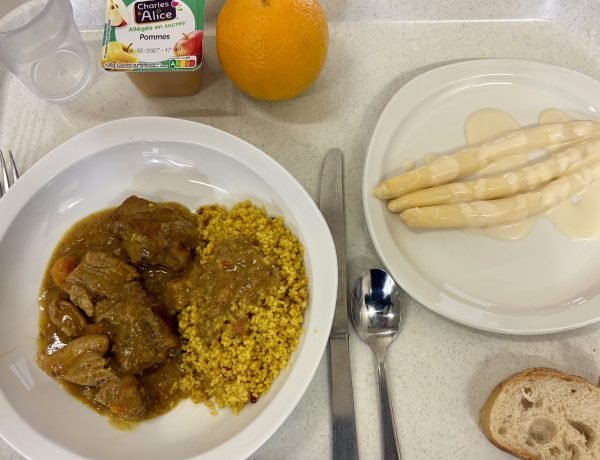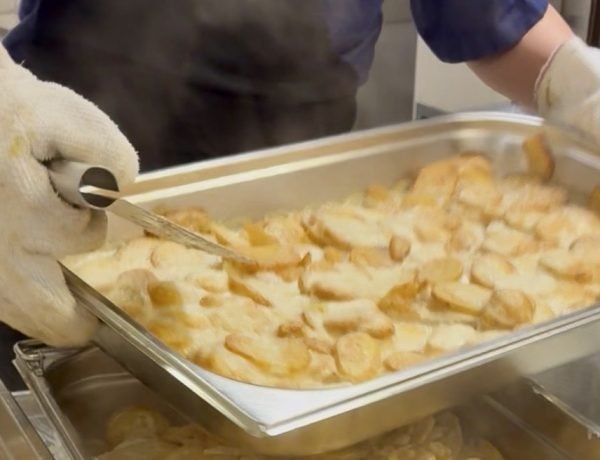
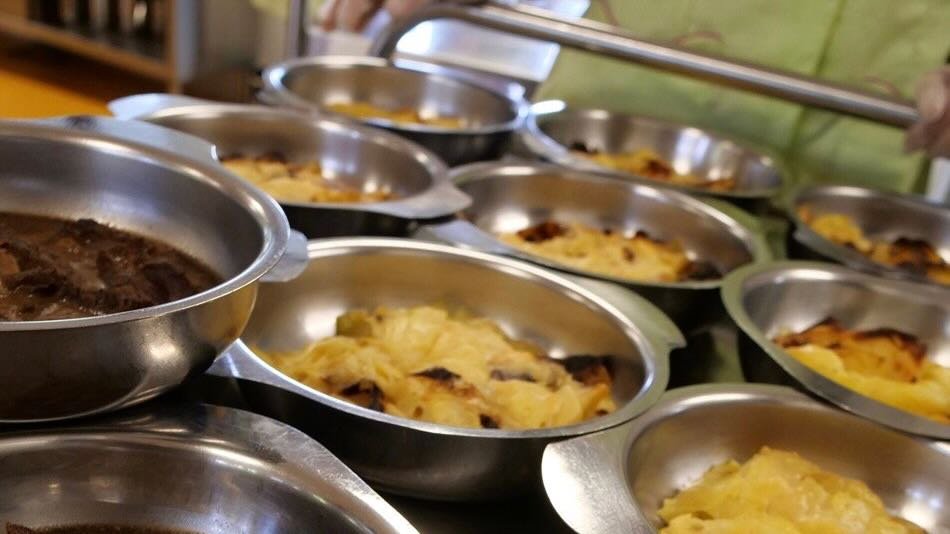

On a recent walk through a French school cafeteria, I watched a group of five-year-olds scrape their plates, sort their waste, and leave almost nothing behind.
I stood there amazed.
These tiny kids were doing what many adults don’t: eating what was served, cleaning up after themselves, and treating food as something valuable rather than disposable.
France’s efforts to reduce food waste in school cafeterias are about more than government regulations. In the schools I’ve visited, I’ve seen how everyday routines can help children develop habits around food waste from a young age.
Just as children are encouraged to try their vegetables, they can also learn to sort leftovers because that’s simply what everyone does.
And France takes the issue seriously.
Food waste is a significant challenge in school cafeterias, where hundreds of meals may be prepared every day. Waste can occur in the kitchen, during preparation and serving, and when children leave food on their plates.
France has introduced several laws to tackle the problem, including the 2016 law against food waste and subsequent measures under the EGAlim and anti-waste legislation.
A national target called for a 50% reduction in food waste in collective catering by 2025, compared with 2015 levels. That deadline has now passed, but reducing food waste remains an important part of France’s approach to school catering. The target itself does not establish that every cafeteria achieved it.
For a behind-the-scenes look at how French school lunches are cooked, sourced, and prepared, start with → Inside a French School Cafeteria Kitchen.
So how are French schools actually working to reduce food waste? Here are some of the practical measures being used.
1. Knowing Exactly How Many Children Will Eat Each Day
Reducing waste starts with accurate meal counts.
In many French schools, children are registered for cafeteria meals in advance. But absences and last-minute changes can throw off the numbers.
If a kitchen prepares lunch for 200 children and only 185 arrive, that’s potentially 15 extra meals.
Schools can reduce this kind of waste by:
- Communicating closely with parents about absences
- Using meal registration or reservation systems
- Adjusting production quantities when numbers change
- Keeping track of how many meals are actually served
The goal is simple: prepare enough food for the children who are coming, without routinely making too much.
Join my free monthly newsletter
for everyday French life, simple habits & sustainable wellbeing.
And get The French Guide to Everyday Wellbeing straight to your inbox!
2. Serving Portions Adapted to Children’s Ages
Another important measure is serving portions appropriate for children’s ages and appetites.
A five-year-old doesn’t need the same amount of food as an eleven-year-old. And even children of the same age don’t always have the same appetite.
French school meal planning takes age groups and nutritional needs into account, but portion sizes can also be adapted in practice.
Some cafeterias allow children to indicate whether they want a smaller or larger serving, particularly for foods they may be hesitant to try.
This can help reduce the amount left on plates while still encouraging children to discover different foods.
The idea isn’t to discourage children from eating enough. It’s to avoid giving them more than they want or need.
3. Respecting Children’s Tastes While Introducing Variety
One of the things I love about French school lunches is the variety of foods children encounter.
Vegetables, fish, legumes, cheeses, and traditional dishes all appear on menus.
Of course, that doesn’t mean every child loves everything.
School kitchens have to balance two objectives: introducing children to a wide range of foods and preparing meals that children will actually eat.
French nutritional guidelines assess the frequency of different food categories across 20 consecutive meals. This doesn’t mean schools must serve 20 entirely different menus or that dishes can never be repeated.
Within those guidelines, kitchens have room to plan appealing, varied meals.
In some cafeterias I’ve visited, staff ask children how much they would like before serving them. A child who is unsure about a particular vegetable might start with a small portion rather than receiving a full serving that ends up in the bin.
It’s a practical approach: encourage children to taste unfamiliar foods without automatically creating unnecessary waste.
I’ve explored how French children become familiar with different foods in Why French Kids Aren’t Picky Eaters.
4. Improving the Quality and Appeal of Meals
Making Food More Appealing
Presentation matters, even to young children.
If a child looks at a plate and sees an unrecognisable pile of vegetables, they’re hardly going to be enthusiastic.
Cafeterias can make meals more appealing by:
- Presenting dishes attractively
- Explaining what children are being served
- Introducing unfamiliar ingredients
- Talking about where food comes from
- Encouraging children to taste without turning mealtimes into a battle
These small steps help children understand what they’re eating and may make them more willing to try it.
Working with a French school chef, I created a downloadable guide featuring some of the best-loved recipes served in French school cafeterias → Explore the French School Lunch Recipe Guide.
Choosing Better Quality Ingredients
Of course, the best way to encourage children to eat their lunches is to make the food taste good.
France’s EGAlim legislation sets food-sourcing requirements for collective catering.
In metropolitan France, the requirements include:
- At least 50% qualifying sustainable or quality food products, including at least 20% organic, calculated by the annual value of food purchases
- At least one vegetarian menu per week in school catering
The 50% requirement doesn’t simply mean organic or local products. Foods must meet specific qualifying criteria, and being locally produced alone isn’t enough.
These measures are primarily about food quality, sustainability, and dietary diversity. They don’t automatically guarantee less food waste, but good ingredients and appealing meals can be part of a broader waste-reduction strategy.
For more detail, read → French School Lunch: Official Nutrition Guidelines Explained.
5. Creating a Calm, Enjoyable Atmosphere
The French place considerable importance on mealtime — not just what you eat, but how you eat.
In some of the school cafeterias I’ve visited, there’s a real effort to make lunch a pleasant experience.
That can include:
- Smaller tables where children sit together
- Pleasant dining spaces
- Staff working to manage noise levels
- Time for conversation
- Encouraging children to eat without rushing
Of course, not every French cafeteria looks or feels like a small restaurant. Conditions vary enormously from one school to another.
But giving children enough time to eat is important.
When lunch is rushed, children may leave food unfinished simply because they haven’t had time to enjoy it.
A calmer environment can make mealtimes more pleasant and give children a better opportunity to finish what they’ve chosen to eat.
For ideas on adapting some of these practices in your own school, read → 8 Tips to Improve School Lunches in Your Community (Inspired by France).
6. Measuring Food Waste and Teaching Children What Happens to It
One of the most practical ways to reduce food waste is to measure it.
French collective catering establishments are expected to assess food waste and take steps to reduce it.
That can involve weighing food thrown away during preparation, recording uneaten servings, and measuring what comes back on children’s plates.
These measurements help kitchens identify which dishes are frequently wasted and whether portion sizes or preparation quantities need adjusting.
But there’s also an educational side.
I’ve watched young children sort what remains on their plates, learning that different types of waste have different destinations.
Composting and sorting food scraps don’t prevent waste in the first place, but they can help children understand what happens to food after a meal.
And there’s an important distinction here: the best outcome isn’t simply to compost more food. It’s to avoid wasting edible food in the first place.
Final Thoughts: Food Waste Is Also About Education
Watching French children sort waste and scrape their plates showed me something important: reducing food waste isn’t just a matter of national targets and kitchen procedures.
It’s also about the habits children develop at school.
Learning to take an appropriate portion, taste unfamiliar foods, respect the work that goes into preparing a meal, and understand what happens to leftovers are all small lessons that can last well beyond childhood.
Food waste is just one of the lessons children encounter at lunchtime. I explore the others in What Do French Kids Really Learn at School Lunch?
France hasn’t eliminated food waste from its school cafeterias. But its combination of legislation, kitchen practices, and food education offers useful ideas for schools elsewhere.
And sometimes, the most memorable example is simply a five-year-old carefully sorting the remains of lunch.
More From France
If you’re curious about how France nurtures healthier habits — from school lunches to everyday food, movement, and wellbeing — I share practical tips and stories each month. Sign up for the free newsletter below and receive my guide, The French Guide to Everyday Wellbeing, straight to your inbox. Merci!
Come see it for yourself!
Follow along on Instagram and TikTok for real footage from inside French school cafeterias and kitchens, plus everyday life in France.