
French school lunch is about more than what is on the plate. From learning to share a meal to developing patience and social skills, the school cafeteria is also part of a child’s education.
When I first started visiting French school cafeterias, I thought the story was the food.
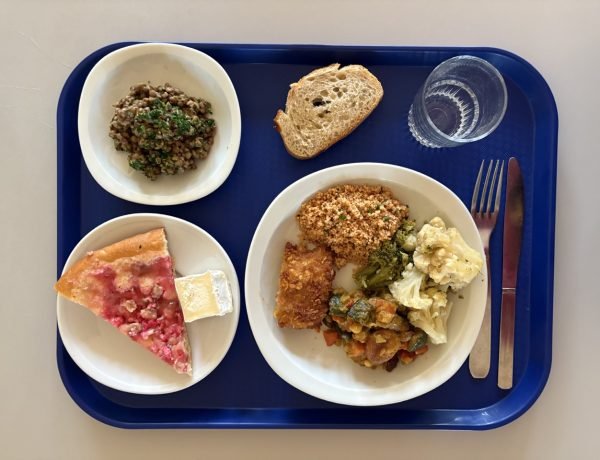
The beet salads. The fish. The cheese. The four-course meals. Those were the things that seemed most interesting — and certainly the most different to many people outside France.
But after years of sitting in school cafeterias, watching children eat and talking to the people who prepare and serve their meals, I’ve come to think that some of the most interesting things happening at French school lunch have very little to do with what’s actually on the plate.
Lunch is also a place where children learn how to share a meal.
For a complete overview of the French school lunch system, see → French School Lunches: How They Work Today.
Learning how to eat together
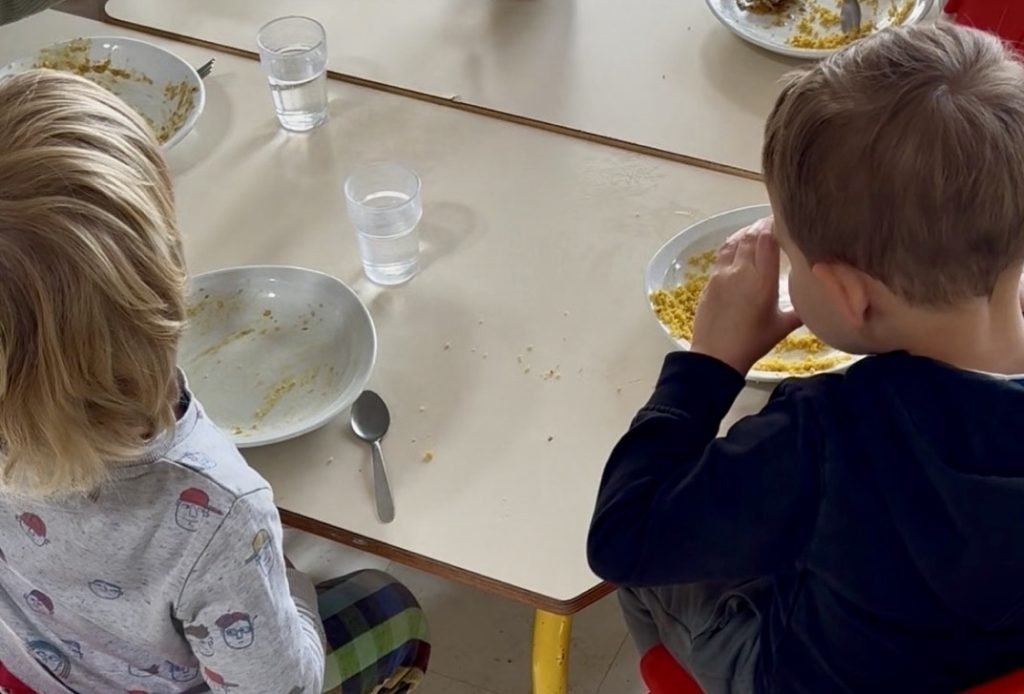
French children generally eat their school lunch sitting together at a table. Food is served in courses, and children spend time eating rather than simply grabbing something quickly before returning to class.
That gives them daily practice in something very ordinary but important: the rituals and rhythms of a shared meal.
They learn that eating isn’t necessarily an individual activity. There is a beginning and an end to the meal, other people at the table and a pace that isn’t entirely their own.
Practicing social skills
A school cafeteria is also a social place.
Children talk, listen and interact with their classmates while they eat. French Ministry of Education guidance has even described school lunch as an opportunity for pupils to relax and communicate.
That doesn’t mean every French school lunch is a picture of beautifully behaved children quietly discussing their day. They’re children, after all.
But sitting around a table creates a daily opportunity to practice being part of a group.
Join my free monthly newsletter
for everyday French life, simple habits & sustainable wellbeing.
And get The French Guide to Everyday Wellbeing straight to your inbox!
Learning about food
There is also an explicitly educational element to the meal.
Official French guidance has long treated school lunch as an opportunity to help children develop eating habits and learn about food from an early age.
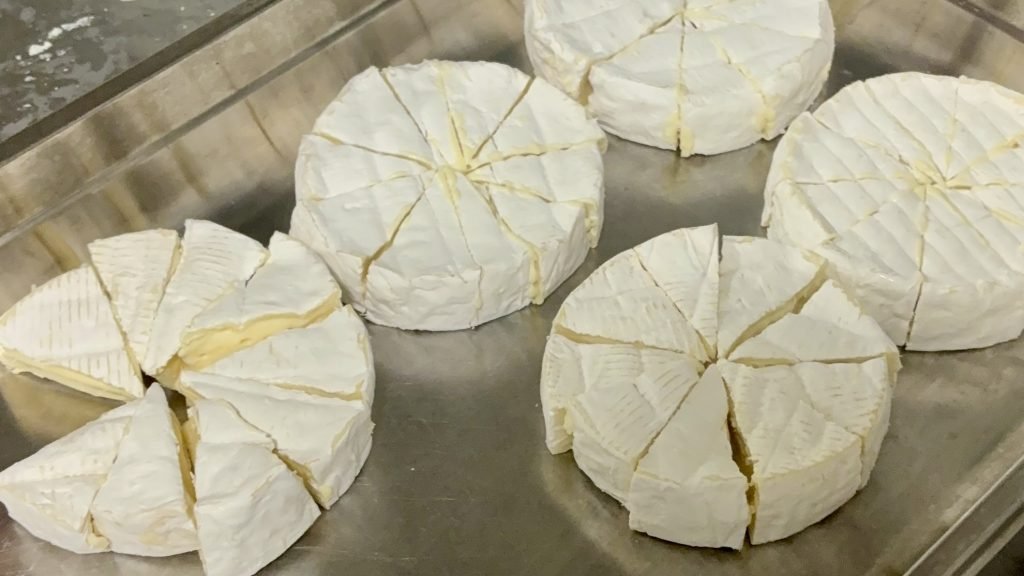
That happens partly through what they’re served. Children repeatedly encounter vegetables, fish, legumes, cheeses, fruit and other foods prepared in different ways.
They don’t necessarily eat — or like — everything.
But exposure is part of the process. A child who leaves the beet salad untouched today has still seen it, smelled it and watched other children eat it. Next time, they may try it.
Learning patience
Lunch also takes time.
Children may have to wait for a course to be served or for plates to be cleared. They remain at the table and follow the general pace of the meal rather than leaving the moment they have finished eating.
In other words, lunch provides a small daily lesson in patience.
For very young children in particular, learning to sit through a shared meal is a skill in itself.
Taking a real break
The French school day can be long and structured. For elementary-school children, it commonly runs from around 8:30 in the morning until 4:30 in the afternoon.
Lunch therefore isn’t simply a refueling stop between lessons. It provides a genuine break in the middle of the school day before children return to the classroom.
Different menus, shared expectations
School lunches aren’t identical everywhere in France.
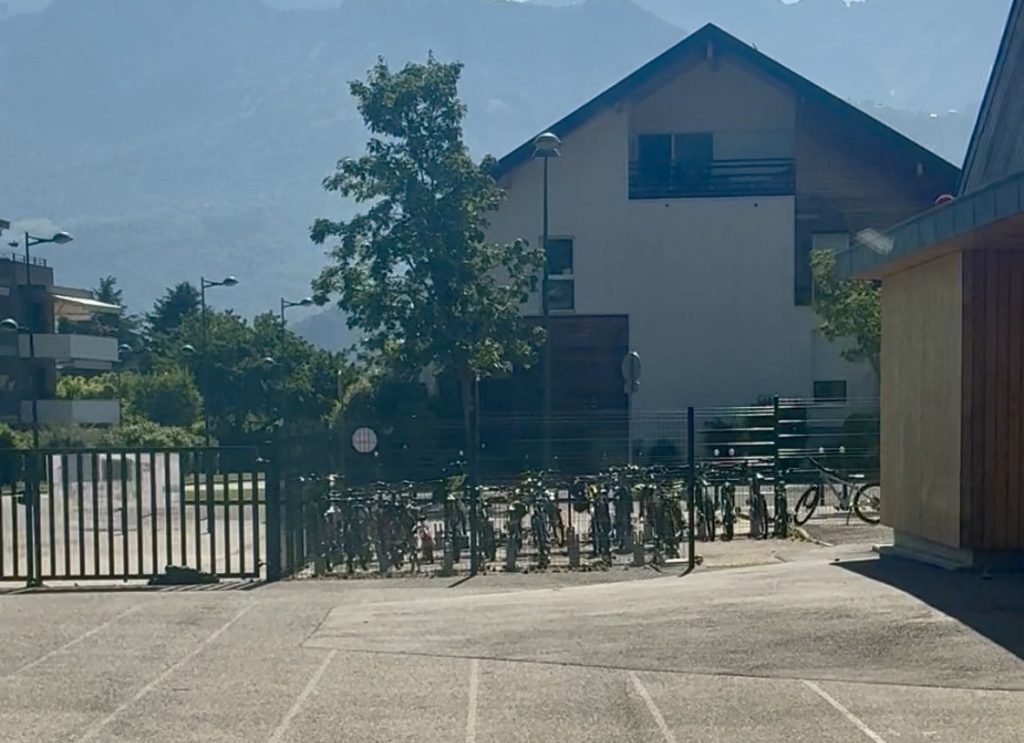
Municipalities organize their own meal services, menus vary by region and season, and the food I’ve seen in one school can look quite different from what is being served hundreds of kilometers away.
But public school meals operate within national nutritional standards, with the same broad goal: giving children access to balanced meals.
And perhaps that’s what I’ve come to find most interesting about French school lunch.
Of course I still want to know what’s on the menu. I still find the beet salads, fish, cheeses and dishes that vary from one part of France to another fascinating.
But increasingly, I find myself watching everything happening around the food.
Children waiting. Talking. Trying. Refusing. Watching one another. Sitting around a table and learning, little by little, how to share a meal.
French school lunch feeds children.
But it teaches them quite a bit, too.
Read More
👉 Come see the inside of a French school kitchen
👉 How nutritious are French school lunches?
👉 How I became fascinated by French school lunches
More From France
If you’re curious about how France nurtures healthier habits — from school lunches to everyday food, movement, and wellbeing — I share practical tips and stories each month. Sign up for the free newsletter below and receive my guide, The French Guide to Everyday Wellbeing, straight to your inbox. Merci!
Come see it for yourself!
Follow along on Instagram and TikTok for real footage from inside French school cafeterias and kitchens, plus everyday life in France.