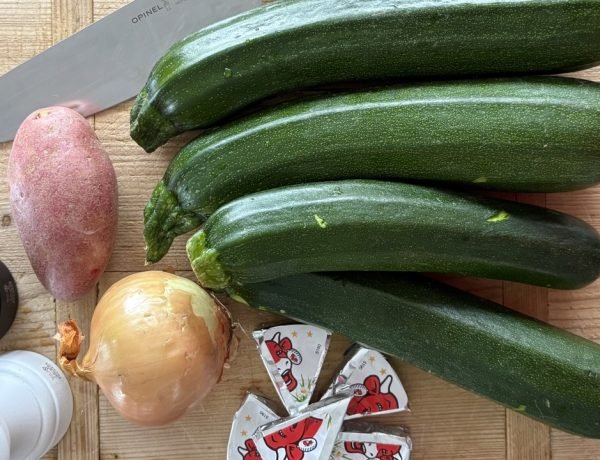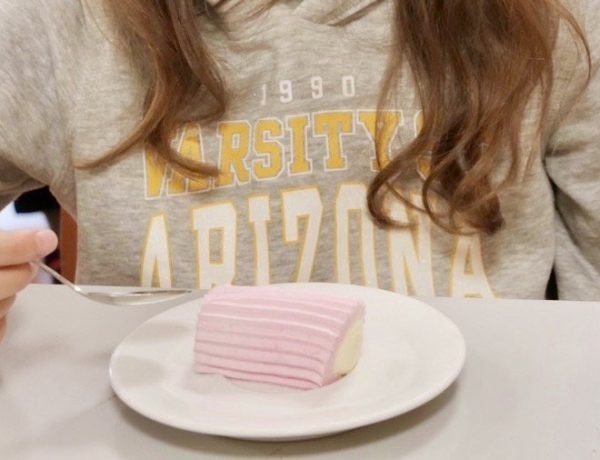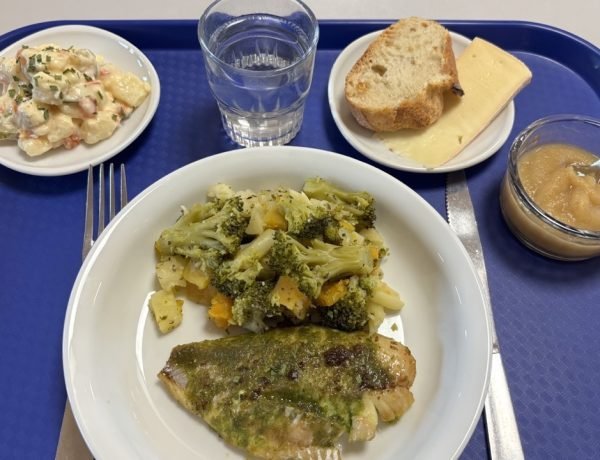
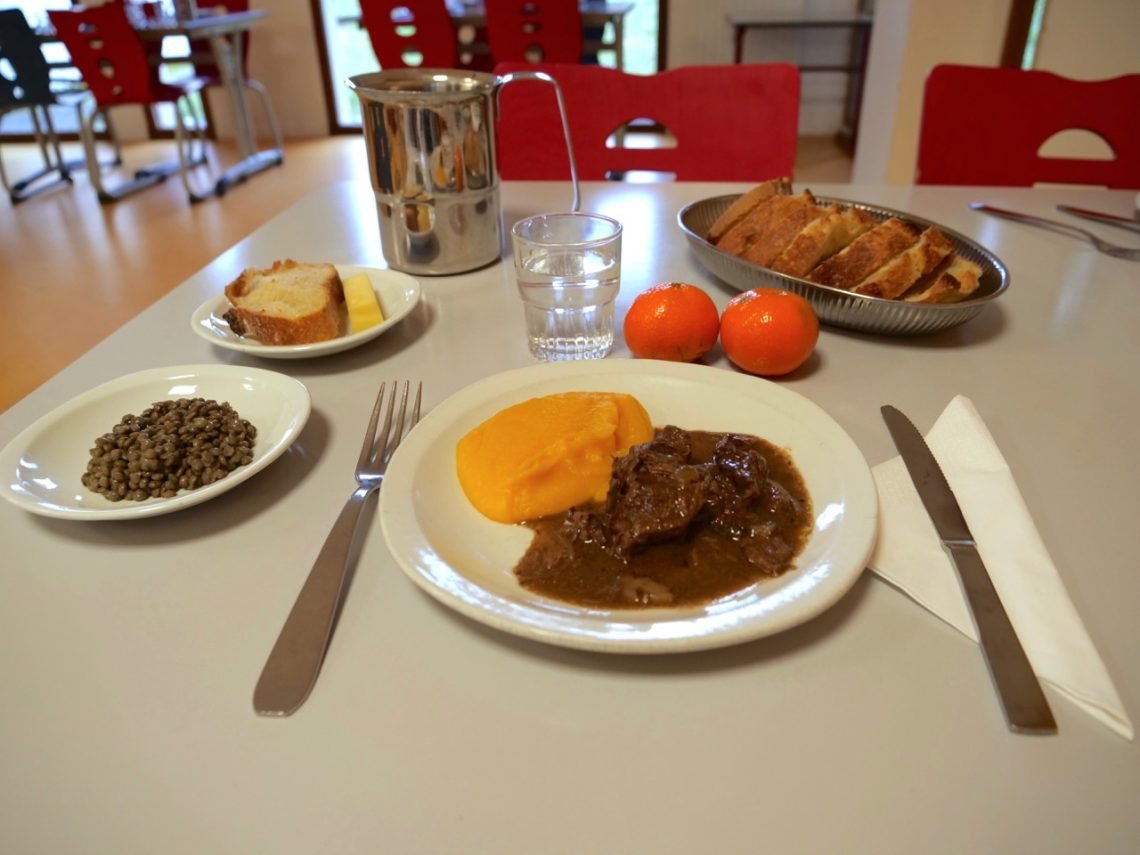

A few years ago, I found myself deep inside the world of French school cafeterias — real kitchens, fresh ingredients, and children who casually eat beets and lentils.
It completely reshaped how I thought about kids and food.
But the question I hear most often is: “What about where I live? What can I do here? How can I improve school lunches in my own community?”
The good news is that you don’t need a French kitchen team or local farms in every direction to make meaningful changes.
Small ideas — often simple, low-cost, and community-driven — can transform the way children eat and how they feel about food.
Here are eight practical ideas that parents, teachers, and school communities can adapt, inspired by some of the things I’ve observed in France.
For a complete overview of the French school lunch system, see → French School Lunches: How They Work Today.
1. Create a Model Lunch Tray
A simple model tray displayed near the serving line can show children what a balanced meal looks like.
Include a variety of colourful vegetables, a protein, a grain or starch, and fruit or another appropriate accompaniment.
Children can see what is available before making their choices.
If displaying real food isn’t practical, photographs work just as well.
The idea is to make nutritious choices visible and appealing, without making children feel that every plate must look exactly the same.
2. Organise a School Lunch Poster Contest
Invite students to create posters celebrating delicious, healthy school lunches.
They might illustrate their favourite vegetables, draw a balanced lunch, or create a poster about trying new foods.
Display the artwork in the cafeteria and hallways.
It’s a simple, inexpensive way to involve children in conversations about food — and give them a sense of ownership over their school dining environment.
3. Try a Week-Long Food Discovery Challenge
Short, playful challenges can encourage children to explore unfamiliar foods.
Instead of competing to see which class eats the most fruit, try a challenge based on curiosity.
For example, each class could discover a new vegetable, learn where it grows, or vote on a favourite seasonal ingredient.
Keep the emphasis on participation and discovery rather than how much anyone eats.
The goal is to make healthy eating interesting, not competitive.
4. Offer Bite-Size Samples
One of the simplest ways to encourage children to try unfamiliar foods is to offer a tiny taste.
A child who doesn’t want an entire serving of beet salad might be perfectly happy to try one small bite.
Schools could organise supervised tasting opportunities with cafeteria staff, teachers, or approved volunteers.
Check food allergies, hygiene requirements, and school policies before introducing samples.
French children are regularly exposed to a wide variety of foods, and that familiarity is one reason I’m so interested in how they learn to eat.
I explore this further in Why French Kids Aren’t Picky Eaters.
Join my free monthly newsletter
for everyday French life, simple habits & sustainable wellbeing.
And get The French Guide to Everyday Wellbeing straight to your inbox!
5. Introduce a Monthly Tasting Day
Take the sampling idea one step further by choosing one day each month to introduce a new food or dish.
It could be roasted cauliflower, lentil salad, homemade vegetable soup, or a seasonal fruit children haven’t tried before.
Keep the portions small and invite children to share what they think.
They might discover that they enjoy something they previously refused — or decide they still don’t like it.
Both responses are fine.
Repeated exposure, without pressure, can gradually make unfamiliar foods feel more approachable.
6. Make Vegetables the Default Side Dish
Sometimes, small changes to how food is presented can make nutritious choices easier.
If children are offered a choice of side dishes, schools could make vegetables the standard option while still allowing appropriate alternatives.
The vegetables themselves should be appealing, well prepared, and suited to the meal.
After all, there’s a big difference between a bowl of overcooked broccoli and vegetables that have been thoughtfully seasoned and prepared.
This is something French school kitchens have reinforced for me: how food is cooked matters just as much as what is served.
7. Rethink Cafeteria Displays
Think about what children see while waiting for lunch.
Are fresh fruits displayed attractively? Is it easier to spot healthier options? Are the day’s dishes clearly identified?
Small changes in placement and presentation can help.
A colourful basket of seasonal fruit or a photograph of the day’s vegetable dish may attract more attention than a handwritten menu nobody reads.
Not every school has a checkout counter or sells additional snacks, so the idea is simply to make nutritious options more visible wherever children make food choices.
8. Get Creative With School Lunch Menus
One of the best ways to interest children in school food is to involve them in the process.
Schools could post photographs of upcoming meals, invite students to suggest seasonal ingredients, or organise a healthy menu design contest.
Imagine the excitement of having a dish created by students appear on the school lunch menu!
Of course, the final meal would need to meet nutritional requirements, fit the kitchen’s budget, and be practical to prepare.
But giving children a voice can help them feel more connected to the food they’re served.
Working with a French school chef, I created a downloadable guide featuring some of the best-loved recipes served in French school cafeterias → Explore the French School Lunch Recipe Guide.
And for inspiration, have a look at an actual week of French school lunches from 2026.
Why Small Changes to School Lunches Matter
Wherever we live, feeding children well is one of the greatest gifts we can offer.
School lunches aren’t just about providing calories in the middle of the day. They’re an opportunity to introduce children to new foods, teach them about ingredients, and help them develop a positive relationship with eating.
That’s one of the biggest lessons I’ve taken away from my time inside French school cafeterias.
And while not every school has the budget, facilities, or staff to transform its lunch programme overnight, many of these ideas can begin on a small scale.
One tasting day. One creative menu. One colourful poster.
Sometimes, meaningful change starts with something surprisingly simple.
In France, it’s not only the food that counts. Read more here → 5 Reasons French School Lunches Are Important (It’s Not the Food).
More From France
If you’re curious about how France nurtures healthier habits — from school lunches to everyday food, movement, and wellbeing — I share practical tips and stories each month. Sign up for the free newsletter below and receive my guide, The French Guide to Everyday Wellbeing, straight to your inbox. Merci!
Come see it for yourself!
Follow along on Instagram and TikTok for real footage from inside French school cafeterias and kitchens, plus everyday life in France.