
I believe one reason so many French women seem to age well is that they live well.
And by ageing well, I don’t mean simply looking younger. I mean feeling good, staying active, enjoying life, and taking care of yourself as the years go by.
Since moving to France more than two decades ago, I’ve been struck by the number of women in their 50s, 60s, 70s, and beyond who continue to dress beautifully, pursue new interests, stay physically active, and make time for life’s pleasures.
Of course, French women aren’t immune to the challenges of ageing. But there are certain cultural habits I’ve observed here that I think are worth borrowing, wherever you live.
So how do French women age well? Here are seven everyday habits and attitudes I’ve come to appreciate after more than two decades living in France.
For a broader look at French wellbeing, start with → The French Approach to Wellbeing.
1. Self-Care Isn’t Selfish
The French love a good spa, thermal bath, massage, or facial. And they’re certainly fond of a visit to the hairdresser.
But self-care in France isn’t necessarily about expensive treatments.
It’s also about finding small pleasures throughout the day: sitting down to enjoy an afternoon coffee, taking a walk alone, reading a book, or making time for a relaxing evening routine.
One of the things I’ve noticed about many French women is that they don’t automatically put everyone else’s needs ahead of their own.
They make room for themselves.
And these habits aren’t reserved for holidays or special occasions. They’re part of ordinary life.
Do Like the French
If a spa treatment is out of your budget or impossible to fit into your schedule, create a regular ritual at home.
Block out an hour on Sunday evening, for example. Take a bath, use a favourite face mask, read, or simply do something you enjoy.
If you have young children, enlist some help if possible.
The point isn’t to spend money or emerge with shinier hair. It’s to remind yourself that your time and wellbeing matter too.
For more inspiration, read → 10 Ways French Women Practice Self-Care.
France also has a long tradition of thermal spa towns, including Évian-les-Bains, Vichy, Aix-les-Bains, and La Roche-Posay.
For some of my favourite winter rituals, see → French Winter Skincare Rituals You Can Steal.
2. They Take Skincare Seriously
French women may be famous for their understated makeup, but skincare is another matter.
France has a remarkable pharmacy skincare culture, with brands such as Avène, La Roche-Posay, Bioderma, Nuxe, Caudalie, Clarins, and Embryolisse.
I’ve always been impressed by how much attention is given to looking after the skin itself, rather than simply covering it up.
One of the nicest compliments you can receive in France is bonne mine.
It doesn’t translate perfectly, but it means something like “you look well” or “you have a healthy glow.”
It’s not necessarily about looking beautiful. It’s about looking rested, healthy, and comfortable in your own skin.
Do Like the French
You don’t need an elaborate or expensive skincare routine.
Find products that suit your skin, moisturise regularly, and make sun protection a daily habit.
Personally, I’d rather browse a French pharmacy than a luxury beauty counter any day.
One of my longtime favourites is Avène’s Rich Revitalising Nourishing Cream.
Good skincare won’t stop the ageing process, of course. But caring for your skin can help keep it comfortable and protected as you get older.
3. They Embrace a More Natural Aesthetic
One of the things I admire about French style is the willingness to work with what you’ve got.
A slightly crooked nose, a gap between your teeth, curly hair, imperfect eyebrows — these aren’t necessarily things that need correcting.
The French women whose style I admire tend to enhance their features rather than completely transform them.
Now, let’s be clear: French women, like women everywhere, care about their appearance. Some have cosmetic treatments or surgery, and beauty standards certainly exist here.
But the aesthetic I’ve encountered most often is relatively understated.
The aim seems to be looking like yourself, only a little more polished.
Do Like the French
Give yourself a break from trying to look like someone else.
Instead of concentrating on what you dislike about your appearance, think about the features that make you distinctive.
And if Instagram makes you feel inadequate, take a break from it.
There’s a wonderful French expression, bien dans sa peau, which means feeling comfortable in your own skin.
That’s an attitude worth cultivating at every age.
4. They Don’t Stop Caring About Their Appearance
I love seeing older French women who continue to take pleasure in getting dressed.
A beautiful coat, a scarf, a great haircut, an interesting piece of jewellery — none of these things has an expiration date.
And I don’t believe there’s any reason to start dressing a certain way simply because you’ve reached a particular birthday.
Some of the most stylish women I’ve encountered in France are well past 60.
They haven’t abandoned fashion or stopped enjoying how they look.
More importantly, many haven’t stopped exploring life.
Retirement can mean taking up painting, learning a language, joining a walking group, travelling, dancing, or discovering a new sport.
Of course, not everyone has the health, finances, or freedom to do all these things. But I find the attitude inspiring.
Ageing doesn’t have to mean withdrawing from the world.
5. Water Is an Everyday Habit
One French habit I’ve adopted wholeheartedly is drinking water with meals.
In French homes and school cafeterias, water is the standard drink at the table.
Soft drinks and juices certainly exist, but they aren’t necessarily part of every everyday meal.
And then there are tisanes — herbal teas — which I love, especially in the evening.
Wine is another part of French food culture, but I wouldn’t describe it as a healthy-ageing strategy. Alcohol carries health risks, even when consumed in modest amounts.
For me, the habit worth borrowing is the simplest one: making water your everyday drink.
Do Like the French
Serve water, still or sparkling, with family meals.
Keep a bottle or carafe nearby during the day, and enjoy a herbal tea in the evening if you like one.
There’s no need to turn hydration into a complicated ritual.
For more on this subject, read → Why the French Choose Water (And How It Can Transform Your Healthy Habits).
Join my free monthly newsletter
for everyday French life, simple habits & sustainable wellbeing.
And get The French Guide to Everyday Wellbeing straight to your inbox!
6. Movement Is Part of Everyday Life
This is perhaps one of the French habits I admire most.
Where I live, near Lake Annecy, it’s perfectly normal to see older people hiking, cycling, swimming, skiing, and walking.
Cold-water swimming has been part of my own life here for more than a decade, and I’ve written about what those years cold-water swimming in Lake Annecy have taught me.
I’ve encountered people in their 70s and 80s who are still remarkably active.
Of course, not everyone in France lives this way, and the opportunities vary depending on where you live and your health.
But there’s something wonderful about a culture in which outdoor activity remains part of life well beyond middle age.
Movement isn’t always a scheduled exercise class.
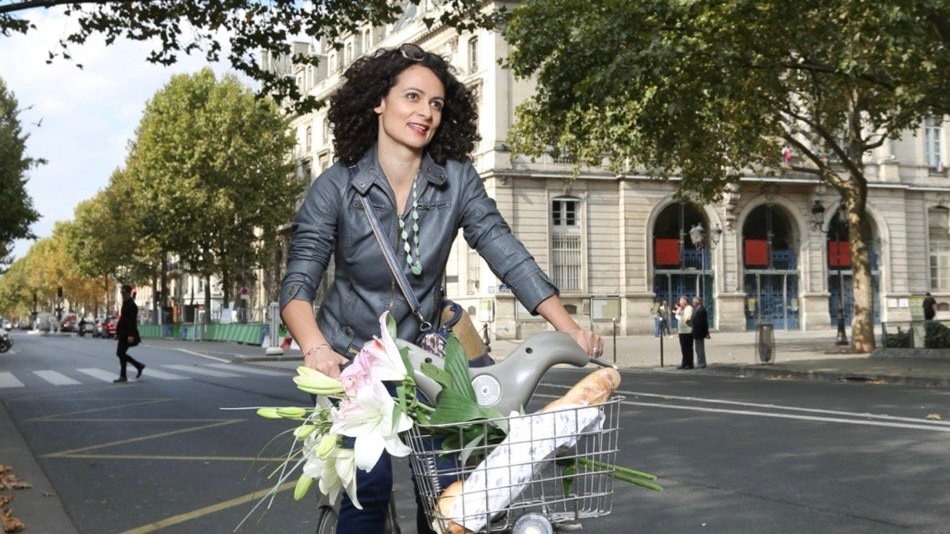
It’s walking to the bakery, gardening, cycling to run an errand, taking the stairs, or going for a weekend hike.
And while gentle daily movement is valuable, maintaining muscle strength and balance becomes particularly important as we age.
Do Like the French
Look for ways to move more throughout your day.
Walk to do errands when possible. Take up that swimming class you’ve been thinking about. Try hiking, dancing, cycling, or strength training.
If you live somewhere where driving is essential, park a little farther away or build a daily walk into your routine.
And if you have children, make active weekends part of family life.
The best activity is one you enjoy enough to keep doing.
7. Food Is a Pleasure, Not a Punishment
The French are simultaneously obsessed and unobsessed with food.
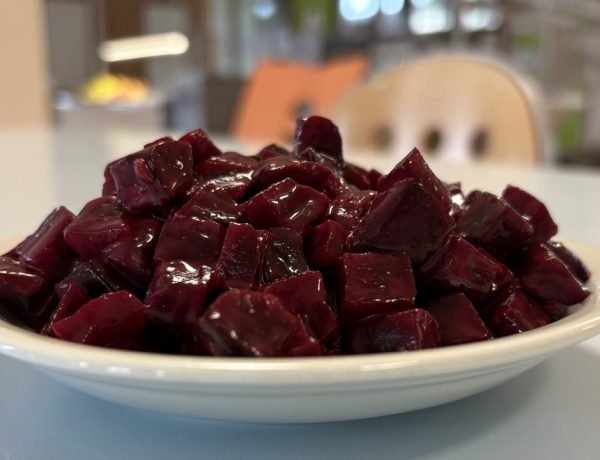
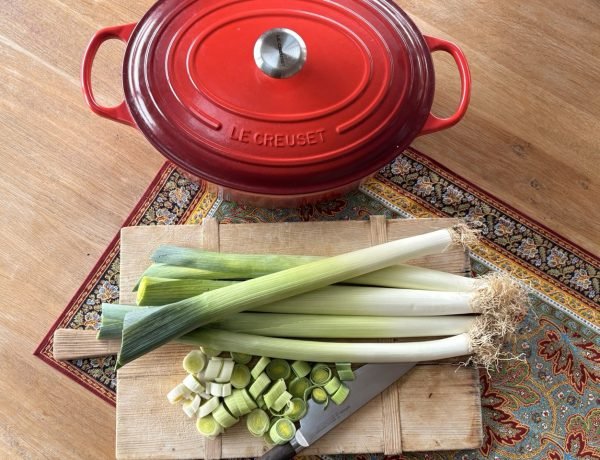
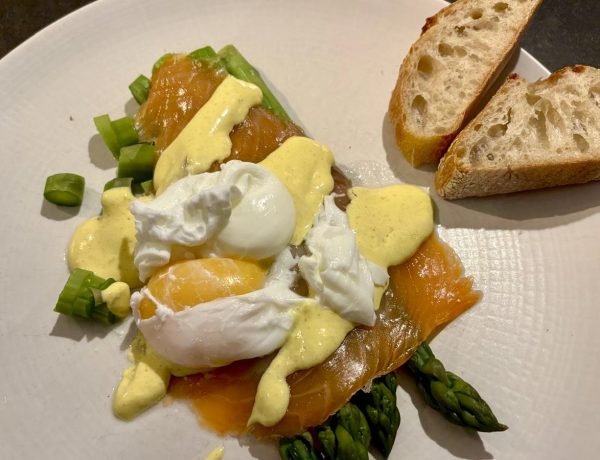
They care enormously about what they eat — good ingredients, delicious meals, seasonal produce — but food isn’t always treated as a problem to be solved.
That’s one of the biggest lessons I’ve taken from living here.
A good meal is something to look forward to.
There is pleasure in choosing ingredients, cooking, sitting down at the table, and sharing food with other people.
Of course, French eating habits aren’t perfect, and no national cuisine guarantees good health or a particular body weight.
But I admire the idea that taking care of yourself and enjoying food can go hand in hand.
Rather than relying on deprivation, I’ve come to appreciate simple meals made with good ingredients, reasonable portions, and the pleasure of eating without constant guilt.
And there’s another important element: sitting down.
In France, lunch is often treated as a real pause in the day, not something to eat while running errands or answering emails.
Do Like the French
Make time for meals whenever possible.
Cook simple dishes you genuinely enjoy. Eat more vegetables, legumes, fruit, and other nourishing foods, but leave room for pleasure too.
And try to sit down and enjoy what you’ve prepared.
For a glimpse into everyday French eating habits, meet some of my French friends here → What French Women Eat in a Day.
Ageing Well Is About More Than Looking Young
After more than twenty years in France, I’ve come to think that ageing well has relatively little to do with trying to stay young forever.
It’s about continuing to participate in life.
Taking care of your body. Enjoying good food. Moving regularly. Maintaining friendships. Pursuing interests. Making time for yourself.
And perhaps most importantly, accepting that growing older doesn’t mean becoming less interesting, less attractive, or less deserving of pleasure.
That’s the version of French ageing I admire.
And it’s something we can all work towards, wherever we live.
More From France
If you’re curious about how France nurtures healthier habits — from school lunches to everyday food, movement, and wellbeing — I share practical tips and stories each month. Sign up for the free newsletter below and receive my guide, The French Guide to Everyday Wellbeing, straight to your inbox. Merci!
Come see it for yourself!
Follow along on Instagram and TikTok for real footage from inside French school cafeterias and kitchens, plus everyday life in France.