
France is considering new legislation that would prohibit added sugars in foods specifically marketed to infants and children under three years of age. Earlier this year, the French National Assembly adopted the proposal, which has now moved to the Senate for further consideration. If ultimately passed, the law would take effect in 2028. You can read the full legislative dossier on the French National Assembly’s website here.
The proposal is based on growing scientific evidence that taste preferences begin developing very early in life. The World Health Organization recommends avoiding added sugars and sweeteners in foods intended for infants and young children, arguing that limiting exposure to sweetness may help encourage healthier eating habits later in life.
For a complete overview of the French school lunch system, see → French School Lunches: How They Work Today.
Why France Is Considering the Proposal
The proposed law is aimed specifically at foods marketed for babies and toddlers—not at banning sugar from children’s diets altogether.
Supporters argue that many commercially marketed baby foods contain unnecessary added sugars, despite being promoted as healthy choices for young children. The goal is to reduce early exposure to sweetness during one of the most important stages of taste development.
Whether or not the proposal ultimately becomes law, it reflects a broader conversation taking place in France about childhood nutrition and the role food plays in long-term health.
How Does This Relate to French School Lunches?
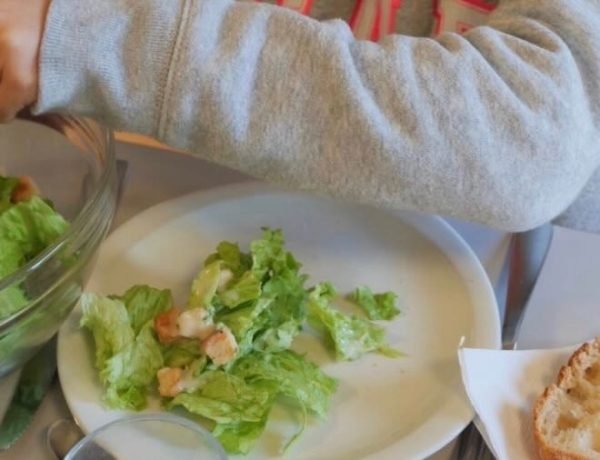
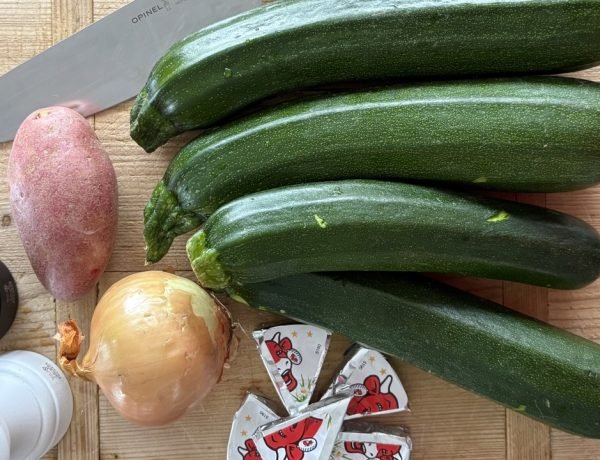
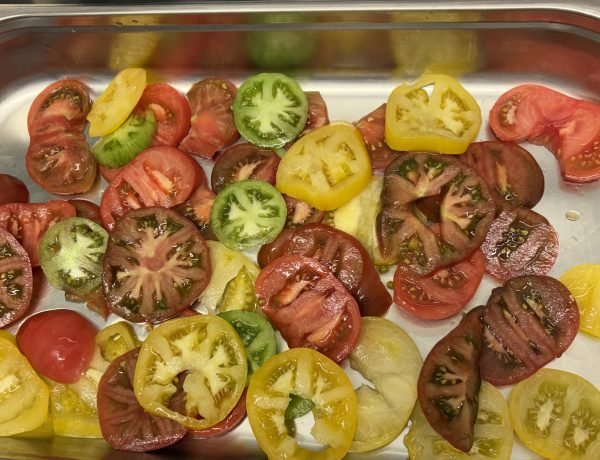
Although the proposal focuses on children under three, I couldn’t help thinking about the many hours I’ve spent documenting French school lunches—and more recently, meals served in a French crèche.
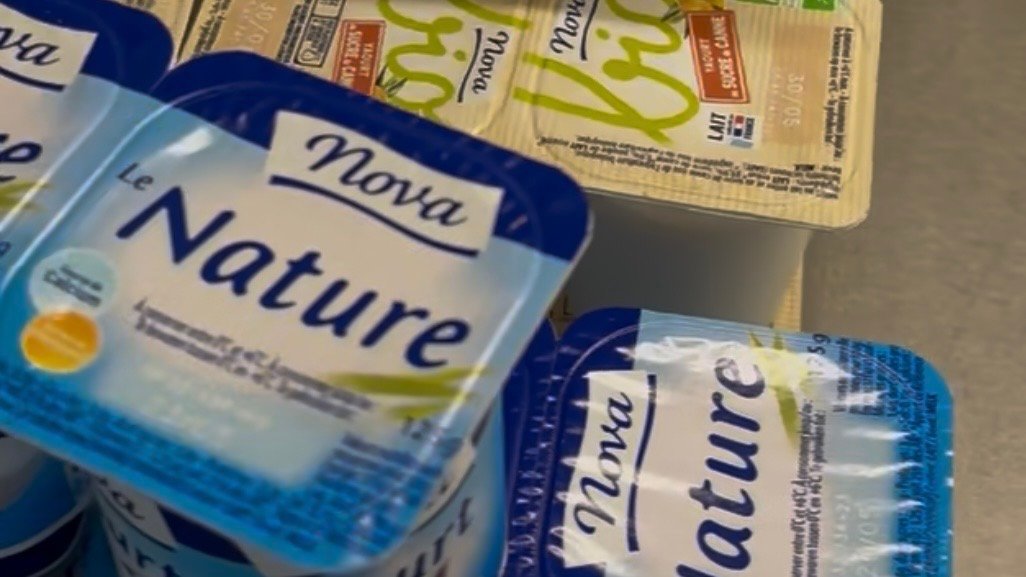
One of the small details I’ve repeatedly noticed is that plain, unsweetened yogurt is often the default. When I first asked why, staff explained that some children initially preferred sweetened yogurt because that’s what they were used to. But over time, many adapted.
Eventually, plain yogurt simply became yogurt.
While filming meals in a French crèche, I noticed a similar philosophy. Meals for very young children are prepared without added sugar, helping children become familiar with the natural flavors of everyday foods from an early age.
Join my free monthly newsletter
for everyday French life, simple habits & sustainable wellbeing.
And get The French Guide to Everyday Wellbeing straight to your inbox!
French Schools Don’t Eliminate Sugar
That doesn’t mean French schools—or crèches—are sugar-free. Far from it.
Children are sometimes served desserts such as chocolate mousse, fruit-based desserts, or other sweet treats. Menus also vary from one municipality to another, and individual schools and childcare settings may make different choices.
The goal doesn’t appear to be eliminating pleasure from food. Instead, sweetness seems to have its place within an overall balanced meal rather than becoming the defining characteristic of everyday foods.
Plain yogurt isn’t treated as a compromise. Vegetables aren’t expected to be hidden. Fruit isn’t presented as a consolation prize.
It’s a subtle distinction, but after years of observing school meals, it’s one I’ve come to appreciate.
A Broader Nutritional Framework
This philosophy exists within a broader system of national nutritional standards.
French school meals follow detailed nutritional guidelines that regulate how frequently different food groups—and different types of desserts—appear over a rotating menu cycle. Rather than focusing on individual ingredients alone, the guidelines aim to create balanced meals over time.
If you’d like to learn more, I’ve written a detailed explanation of France’s national school lunch nutritional guidelines.
More Than Just a Proposed Law
Watching school meals week after week has changed the way I think about this proposed legislation.
From the outside, it can seem like another example of government regulation. From the inside, it feels more nuanced.
The proposal doesn’t seem disconnected from everyday practice. Instead, it reflects ideas that are already influencing many nutrition professionals, educators, and childcare settings across France.
Whether the legislation ultimately passes or not, it raises an interesting question:
How do children learn what “normal” food tastes like?
After years documenting French school lunches, I’ve come to believe that the answer isn’t found in a single law. It’s found in the countless everyday meals where children gradually discover vegetables, fruit, plain yogurt, and a wide variety of foods—without every bite needing to be sweet.
Read More
👉 France’s School Lunch Nutritional Guidelines Explained
👉 Official French National Assembly Legislative Dossier
More From France
If you’re curious about how France nurtures healthier habits — from school lunches to everyday food, movement, and wellbeing — I share practical tips and stories each month. Sign up for the free newsletter below and receive my guide, The French Guide to Everyday Wellbeing, straight to your inbox. Merci!
Come see it for yourself!
Follow along on Instagram and TikTok for real footage from inside French school cafeterias and kitchens, plus everyday life in France.